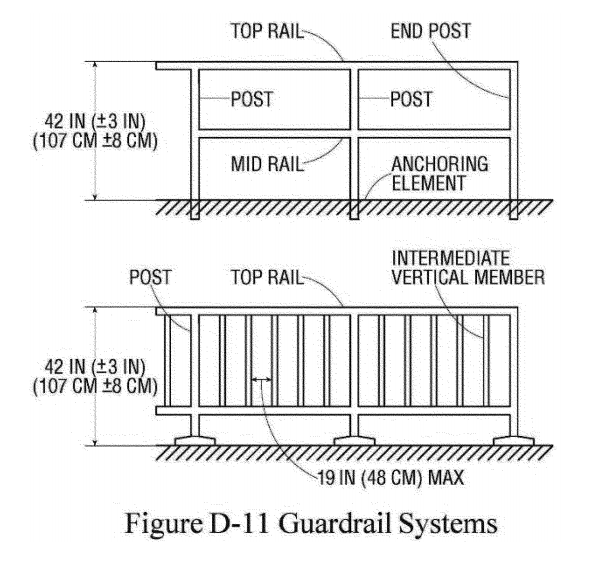
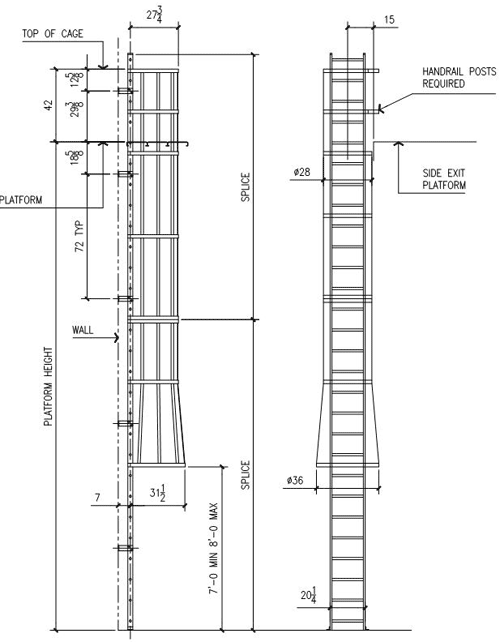
Osha rds design and work practice requirements.
Osha roof setback requirements.
Occupational safety and health administration.
The warning line meets or exceeds the requirements in 1926 502 f 2.
1910 27 b 2 i requires that employers ensure no rds is used at heights above 300 feet above grade.
6 feet from the edge.
Osha requires fall protection for workers on surfaces over six feet off the ground that do not have protection along the surface edges.
Supervise workers to ensure fall protection equipment is used and maintained correctly.
Implement safe work practices to reduce the possibility of falls.
A warning line is used 15 feet or more from the edge.
Occupational safety and health administration.
Conventional fall protection guardrail fall restraint or fall arrest system is.
Between 6 feet and 15 feet from the edge.
From 6 15 feet the new rule allows for a designated area.
The employer effectively.
Osha 1910 walking working surfaces standard requirements.
No work or work related activity is to take place in the area between the warning line and the hole.
The regulation states that work at less than 6 feet from the roof edge requires conventional means of protection guardrail pfas etc.
This is in response to your letter of january 28 1983 concerning perimeter protection at setback roof levels.
Understand the requirements of osha s fall protection standards at 29 cfr 1926 subpart m to protect workers exposed to falls six feet or more above a lower level.
Since roofs rarely have any sort of built in protective rails employers must provide fall protection for roof workers.
No work or work related activity is to take place in the area between the warning line and the edge.
The warning line meets or exceeds the requirements in 1926 502 f 2.
In regards specifically to roof fall protection the 1910 standard specifies for low slope roofs that when work is performed less than 6 feet 1 6 m from the roof edge the employer must ensure each employee is protected from falling by a guardrail system safety net system travel restraint system or personal fall arrest system.
Exceptions to the 300 foot limit are granted when it can be demonstrated that it is not feasible to access heights above 300 feet by other means or in cases where alternative means of access pose a greater hazard than using an rds.
Conventional fall protection guardrail fall restraint or fall arrest system is required.