Run a rigid vent from the gable wall to a point near your install and use a 2 piece of flex duct to connect the fan to the rigid vent.
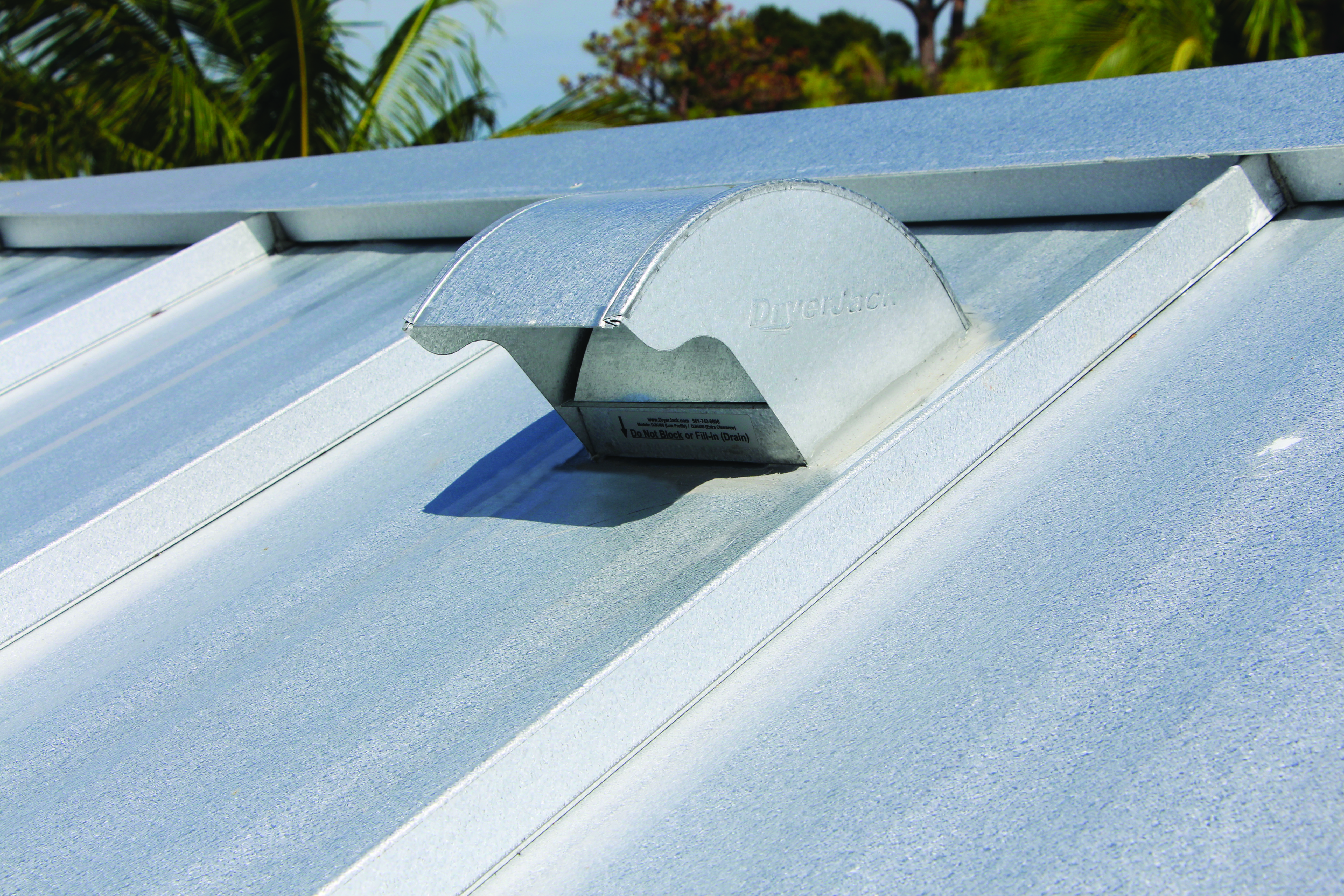
Ok to attack duct directly to roof vent.
These specialty vents do not affect the.
I d recommend venting out the gable.
No you shouldn t use a towel or other absorbing material.
This article describes routing bath exhaust fan duct upwards through an attic or roof space or downwards through a floor or crawl space.
Or you may have a distance issue.
You may have a bad boot around the roof vent that is leaking into the attic.
The safest way to check the attic directly above the stove is to chuck an 18 in.
Loosely hold the wire and direct it through the ceiling drywall approximately where your vent pipe will go.
The best exhaust fan venting is through smooth rigid ducts with taped joints and screwed to a special vent hood.
If you can put an equal size duct inside the turn as shown below they say you re ok.
The flex duct makes the bends easy don t kink it and allows the fan to be repaired from below in the future.
The fan ducts were attached to a t fitting in the 4 inch abs main sewer vent stack in the attic just below the roof.
The owner s manual will usually tell you specifics on duct sizes and lengths.
You can find 4 in.
In all cases the ducting needs to conduct the exchaust to the building exterior and needs to terminate in an animal proof vent cover.
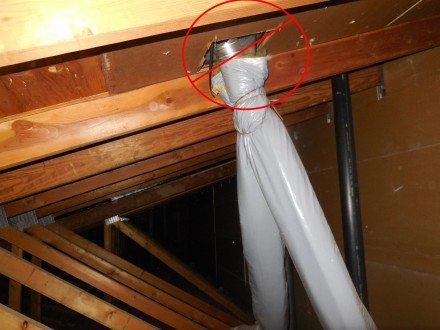
Bathroom ventilation fan duct routing routing a bath vent duct down out or up through an attic or roof out.
Section of straightened coat hanger into a drill.
Today i saw a very creative way to vent bathroom fans.
The high humid air doesn t vent out of the house before it condensates in the duct and then runs back into the house causing damage.
If you stacked registers on a single duct on second and third floors for instance all the.
First plan your route.
Insulating the duct may also help.
The vent should exit the building through the roof or wall at least 3 feet away from any other building openings and the vent cover which must not include a screen should allow dispersal of.
The official recommendation from the adc is that flex ducts should sag no more than 1 2 per foot of length between supports.
Rafter vents or insulation baffles install in any rafter space to create narrow gaps that direct fresh air from the soffit vents to the peak of the roof.
For that length i don t think you need to worry.
Another biggie that i see all the time is sagging ducts.
Every register should be fed directly from the central unit or basement trunk line by its own duct.
Although this isn t always possible in attic crawl spaces you should always insulate the duct to prevent condensation problems.